Sneak Preview: Mergers & Acquisitions in Mining Tech with Ivan Gustavino
In this sneak preview, Ax Legal’s Managing Partner Cody McFarlane speaks with Ivan Gustavino, Managing Director at Atrico, who has advised over 100 high-growth companies in mining, industrial tech, and software. With M&A activity heating up, Ivan breaks down what investors and buyers really look for in mining technology companies today.
The Coordinador Eléctrico Nacional, the independent body that runs Chile’s national grid, published its long-term demand forecast for 2026 to 2046. For most of the last three decades, Chilean electricity planning has followed one customer above all others: large copper mining. That is still true, but the picture is shifting. This year’s forecast captures that shift in numbers. Inside is the facts and conclusions we found most interesting, and what they say about where Chile’s power system is heading.
Industrial technology and engineering companies go where the projects are, whether that’s a copper mine in Peru’s southern Andes, a lithium operation in the Atacama or an offshore field in Brazil. Winning that first contract in a new country is exciting. But the way you deliver it, who you send, how long they stay and what they’re authorised to do, can create tax obligations you never planned for..
Codelco is still the world’s largest copper producer and the most important company in the Chilean economy. It is also under real pressure. Its main mines are ageing, ore grades are falling, and the projects meant to replace lost production have taken longer and cost more than planned. The next few months will be telling to show whether 2026 was a turning point or another difficult year.
Chile’s grid is 4,300 km long. The best wind is in the south, the best sun in the north, and the biggest industrial demand sits at the top of the country. Moving power across that distance is the whole problem. Chile published its long-term energy plan last week, the document that sets out how much power the country will need through 2057 and where the grid has to be built to deliver it.
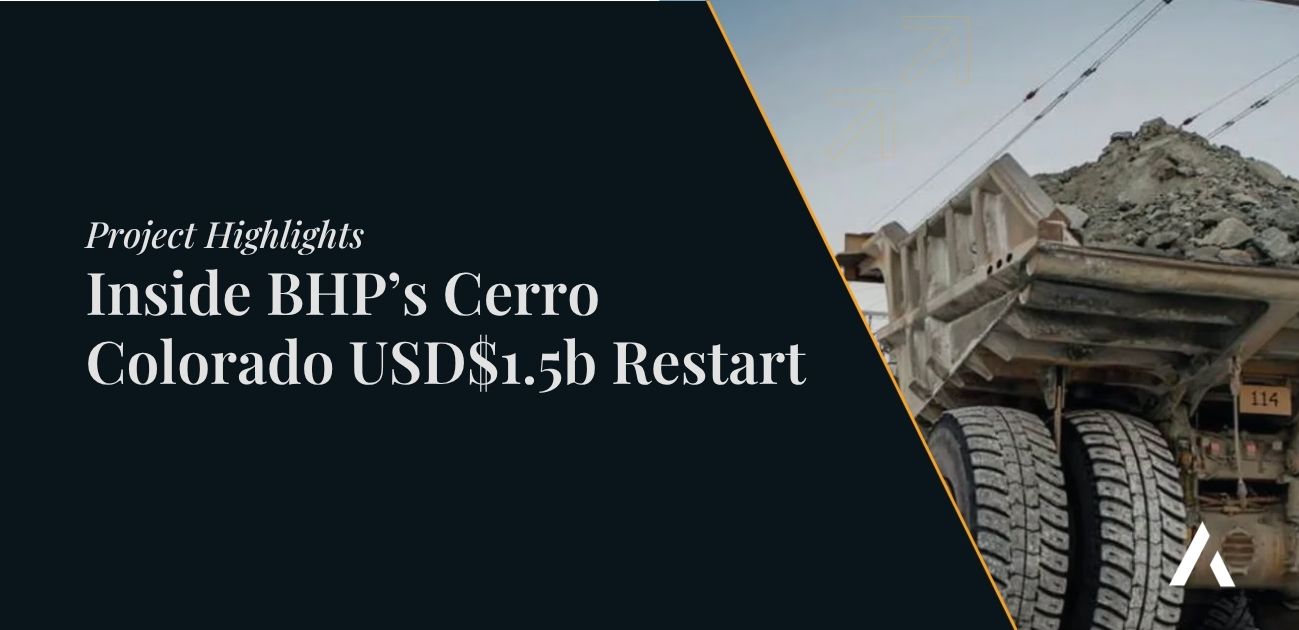
Cerro Colorado operated for nearly three decades as an important copper producer in Chile’s Tarapacá Region. After remaining out of production for several years, BHP is now seeking to reactivate the mine through a US$1.5 billion restart project. If approved, the proposal would extend Cerro Colorado’s operating life by approximately 20 years and support annual production of up to 130,000 tonnes of copper cathodes.
Hiring your first employees in Chile is an exciting milestone. It is also the moment foreign companies discover that Chilean labour practices work differently, sometimes very differently, from what they are used to at home. After a decade of helping foreign companies build teams in Chile, these are the five considerations that come up in almost every first hire.






 Santiago
 Sydney
 Lima
Lima